
Laparoscopy
A minimally invasive diagnostic and therapeutic procedure used to evaluate and treat infertility and various gynaecological conditions.
Laparoscopy for Infertility
A key-hole surgical method used to diagnose and treat conditions affecting a woman’s reproductive health.
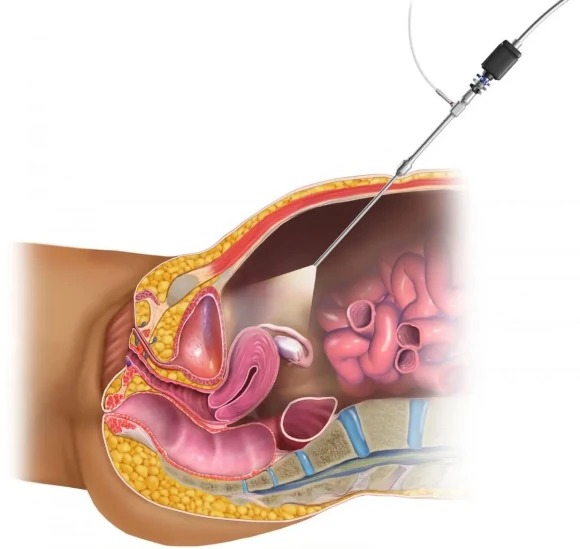
Laparoscopy is a minimally invasive procedure that allows the doctor to look directly at the uterus, fallopian tubes, ovaries and pelvic structures. It is extremely useful in evaluating unexplained infertility and treating abnormalities that prevent conception.
The surgeon makes 2–3 small incisions in the abdomen and inserts thin fibre-optic instruments equipped with a light and camera. If abnormalities are found, they can often be corrected during the same procedure, avoiding major surgery.
Conditions Where Laparoscopy is Beneficial
- Endometriosis
- Blocked or damaged fallopian tubes
- Ovarian cysts
- Fibroids
- Pelvic adhesions from previous surgeries
- Pelvic inflammatory disease (PID)
- Chronic pelvic pain
- Ectopic pregnancy
- Genital tuberculosis (TB)
- Polycystic ovaries (for ovarian drilling)
- Tubal pathology (e.g., hydrosalpinx removal before IVF)
- Uterine prolapse correction (Vente suspension)
- Burch procedure for urinary incontinence
- Tubal ligation
Advantages of Laparoscopy
- Minimally invasive – very small cuts
- Lower risk of infection
- Smaller scars and better cosmetic results
- Faster recovery and shorter hospital stay
- Ability to diagnose and treat in the same procedure
Is Laparoscopy a Major Procedure?
No. Laparoscopy is generally a day-care procedure performed under general anaesthesia. It typically takes 20 minutes to 2 hours, depending on the complexity of the case. Rarely, complicated procedures may take longer.
Most patients go home the same day and need 1–2 days of rest. Mild to moderate discomfort may last up to a week.
Risks Involved
When performed by expert surgeons, laparoscopy is very safe. Possible risks include:
- Injury to bladder, ureter or bowel
- Damage to blood vessels
- Infection or bleeding (rare)
Proper evaluation and skilled surgical technique significantly reduce these risks.
Why Laparoscopy?
- Helps diagnose the root cause of infertility
- Treats endometriosis, cysts, fibroids and tubal issues
- Improves chances of conception naturally or through IVF
- Faster healing and minimal scarring