
Hysteroscopy
A minimally invasive procedure that allows direct visualization and treatment of abnormalities inside the uterus.
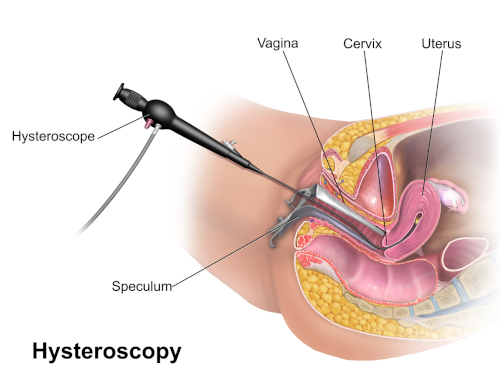
What is Hysteroscopy?
A thin telescope-like instrument is used to examine the cervix and uterus to diagnose and treat reproductive abnormalities.
Hysteroscopy is a short, minimally invasive procedure used when a woman experiences heavy bleeding, painful periods, infertility, or recurrent miscarriages. A hysteroscope (a thin fibre-optic telescope) is inserted through the vagina to directly visualize the uterine cavity.
It is used for both diagnosis and treatment, often helping identify and correct:
- Fibroids
- Endometrial polyps
- Intrauterine scar tissue (adhesions)
- Uterine septum / congenital malformations
- Tubal block at the utero-tubal junction
- Endometritis or adenomyosis (visual assessment)
- Uterine lesions interfering with IVF implantation
Diagnostic hysteroscopy usually takes about 30 minutes and can be done under local anaesthesia. Operative hysteroscopy may require general anaesthesia.
What is Operative Hysteroscopy?
If abnormalities such as polyps, fibroids, or scar tissue are found during diagnostic hysteroscopy, the surgeon can remove them in the same sitting. This is known as operative hysteroscopy and prevents the need for multiple surgeries.
Hysteroscopic Tubal Cannulation
This advanced technique is used for treating proximal tubal blockage (cornual block). In many cases, the blockage is caused by tiny mucus plugs or debris.
A fine guidewire is passed through the hysteroscope into the blocked tube, clearing the obstruction and restoring tubal patency. This minimally invasive method improves fertility outcomes and can prevent the need for major surgery.
Risks of Hysteroscopy
When performed by trained specialists, hysteroscopy is very safe. Rare risks include:
- Infection
- Uterine perforation
- Vaginal bleeding
- Fluid overload (very rare)
How Does Hysteroscopy Help in Infertility?
Hysteroscopy offers direct visualization of the uterus — allowing doctors to identify issues that hinder embryo implantation or lead to recurrent miscarriage.
It is often recommended before IVF or when repeated IVF cycles fail due to suspected uterine pathology. Correcting abnormalities through hysteroscopy improves conception and pregnancy success rates.
Benefits of Hysteroscopy
- Direct visualization of the uterus
- Diagnoses hidden causes of infertility
- Treats polyps, fibroids, septum, adhesions
- Improves IVF success rates
- Minimally invasive & quick recovery